
The architectural coatings market is shifting toward sustainable, long-lasting formulations. New environmental regulations have pushed manufacturers to develop eco-friendly coatings with lighter footprints. Modern coatings must also protect against extreme weather, corrosion, UV radiation and other harsh environmental conditions. As performance expectations evolve, manufacturers continue to develop architectural coating formulations that provide greater durability, sustainability and long-term performance. Below, we explore four key trends shaping the future of architectural coatings.
Key Takeaways:
- Modern architectural coatings minimize harmful emissions.
- Demand is increasing for sustainable, powder-based systems.
- Coating service life depends on selecting the right resin chemistry.
What Are Architectural Coatings?
Architectural coatings are applied to residential, commercial and industrial buildings to protect building surfaces while preserving their appearance and structural integrity. Modern coatings often contain advanced resins, which help resist damage from heat, sunlight, water and salt, and protect the underlying substrate from weathering and corrosion. They can be customized with a range of colors, textures and finishes to meet specific application needs.
What Are the Current Trends in Architectural Coatings?
In response to extreme weather and new regulations, formulators have developed coatings with better sustainability, durability and longevity. Here are the top trends shaping the next generation of architectural coatings.
1. Energy-Efficient Coatings
Cool roof coatings are an energy-efficient alternative to traditional coatings. Applied in a liquid layer to the roof’s surface, they deflect sunlight and minimize heat transfer through the building envelope. As a result, they help reduce roof temperatures, cooling loads and energy costs. According to Stratview Research, the cool roof coatings market is projected to reach $2.4 billion by 2030, with an annual growth rate of 4.1%.
Advanced resins such as clear LUMIFLON® FEVE resins are often applied over existing roof coatings to maintain high solar reflectance over time. White roof coating systems formulated with FEVE resins may achieve SRI values above 100 when tested and listed under applicable rating programs. Final cool-roof qualification depends on the specific product rating, roof type, code requirement and program criteria.
2. High-Durability Coatings
Modern coatings must protect buildings against severe weather, including heat, moisture, sunlight and salt. They are often formulated with advanced resins to improve their strength and longevity. With the right chemistry, coatings can maintain their color and gloss for longer periods without chalking, fading or peeling. These high-performance coatings help extend building service life and reduce maintenance costs.
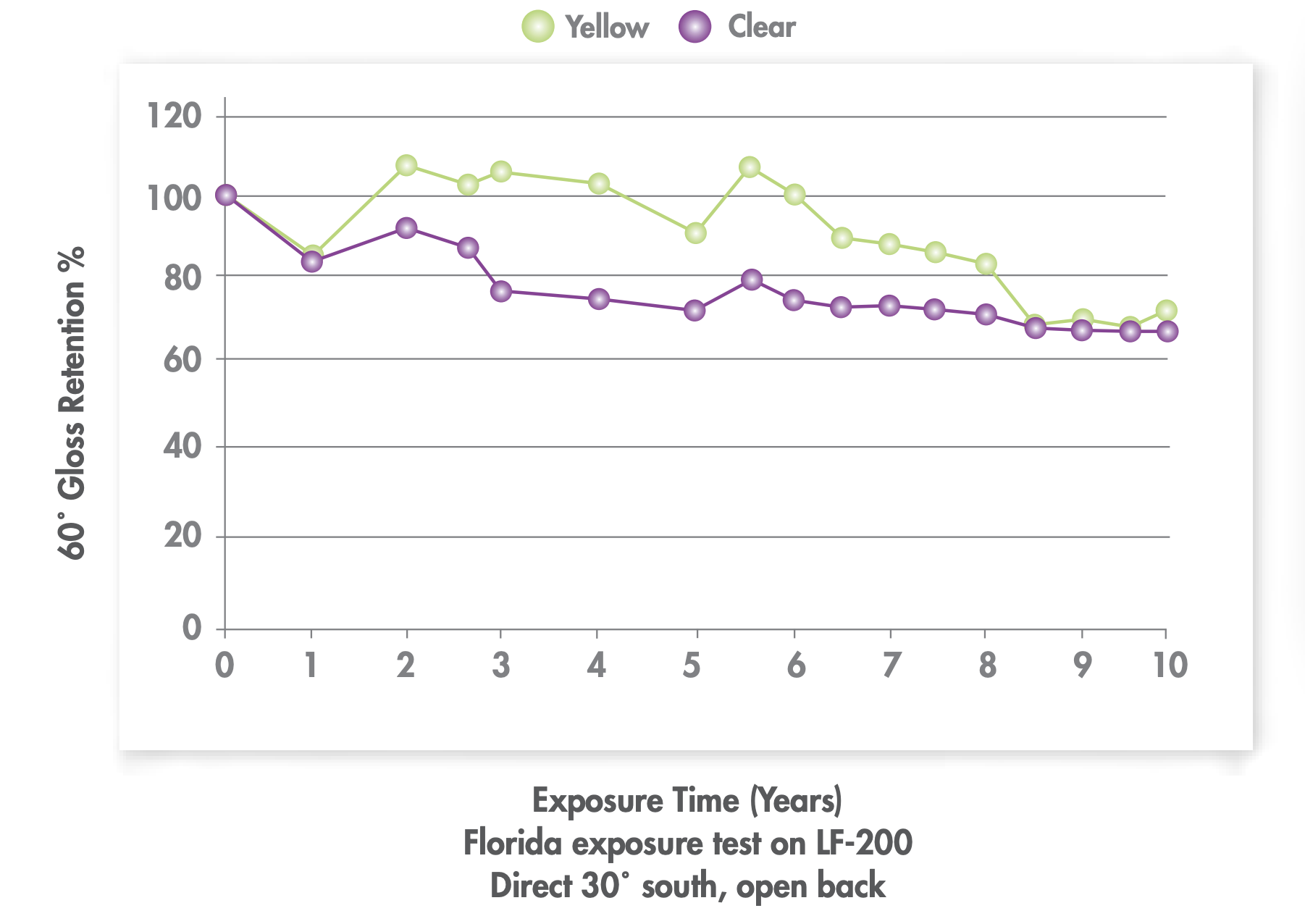
Ultra-weatherable coatings, like FEVE systems, offer extended durability. These coatings have strong carbon-fluorine bonds that resist UV radiation, protecting the underlying substrate from long-term UV degradation. In South Florida natural exposure testing, LF-200-based FEVE coatings retained more than 60% 60° gloss after 10 years under direct 30° south exposure.
Natural Exposure Test on LUMIFLON
3. Low-VOC Coatings
New regulations restrict the use of volatile organic compounds (VOCs) in coatings. These compounds release harmful fumes into the atmosphere, contributing to air pollution. When inhaled, VOCs can cause health problems, including headaches, nausea and nervous system damage. In response, many formulators have reduced VOC content to comply with regulations and meet environmental goals.
Powder FEVE resin grades enable solvent-free powder coating formulations, while solid FEVE resin technologies can support lower-VOC coating approaches depending on the formulation and application method. They are also available as powders, offering a sustainable option that does not rely on VOCs for processing or application.
4. Powder Coatings
Demand is growing for powder coatings due to their exceptional durability and sustainability. According to Research and Markets, the powder coatings market is projected to reach $20.87 billion by 2030. Unlike many liquid coating systems, powder coatings are typically formulated without solvents, helping reduce VOC emissions during application. Once applied, they cure into a durable film that resists corrosion, fading and chalking.
LUMIFLON FEVE flake resin grades can be used to formulate sustainable powder coatings. When used in powder coating formulations, LUMIFLON FEVE flake resin grades help reduce emissions, enhance weatherability and retain color and gloss. They support LEED-related project goals when the final system and project documentation meet credit requirements.
What Are LUMIFLON FEVE Resins?
LUMIFLON FEVE resins contain alternating segments of fluoroethylene and vinyl ether. Their stable molecular structure and strong carbon-fluorine bonds deliver exceptional weatherability, durability and corrosion resistance. The fluorinated units resist degradation by UV light and chemicals, while the vinyl segments impart gloss, solubility, adhesion and reactivity. Coatings based on LUMIFLON meet the highest architectural standards, including AAMA2605 and QUALICOAT III.
Which Materials Are Compatible With LUMIFLON FEVE Coatings?
LUMIFLON FEVE resin technology is used in coatings that protect metal, plastic, concrete, cement fiber boards and more against corrosive elements. These coatings are ideal for use on a variety of architectural building materials, including:
Metal Extrusions
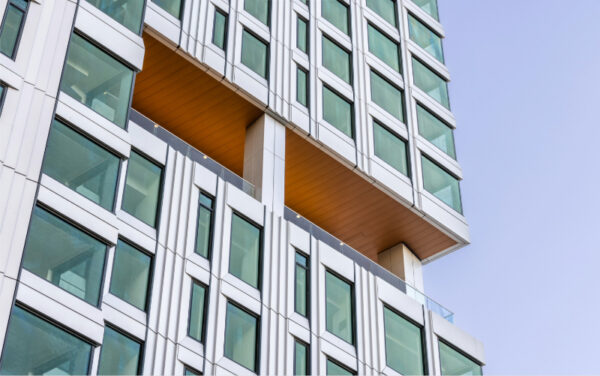
Metal extrusions are prone to corrosion when exposed to moisture. LUMIFLON LF710F is a flake resin used to formulate powder coatings that provide exceptional resistance to corrosion. These coatings can be electrostatically sprayed on aluminum and steel extrusions for windows, storefronts and curtain walls to maintain their structural integrity.
Architectural Panels
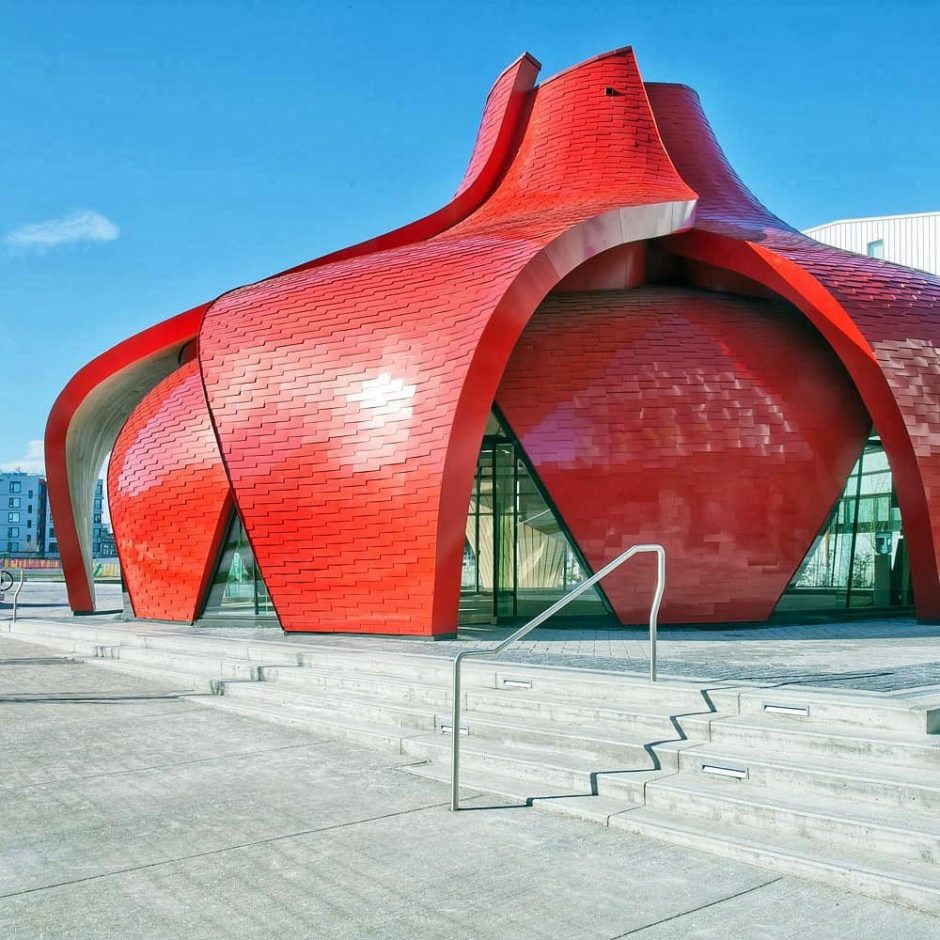
Architectural panels are a thin, lightweight material used in many low- and mid-rise buildings. LUMIFLON FEVE coatings deliver long-lasting protection for the exterior aluminum layer, which is exposed to harsh conditions. LUMIFLON FEVE grades, including LF600X, LF552, and LF200, retain color and gloss to preserve the appearance of the panels. They can also be used in conventional spray-applied coatings for single skin or aluminum sheet panels.
Plastic and Composite Materials
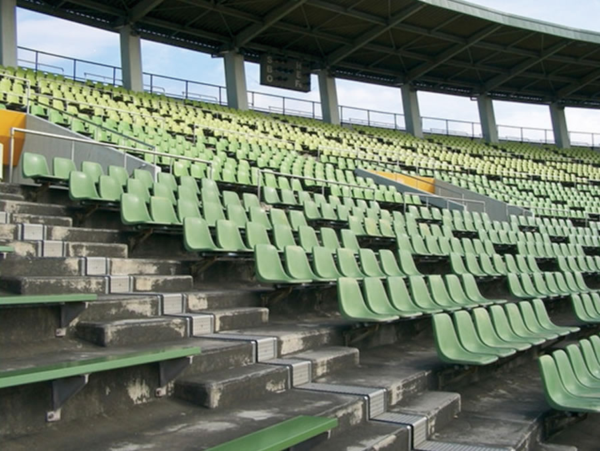
Heat-sensitive substrates like vinyl and fiberglass must be treated with the right coating system. FEVE coatings can cure at ambient or low temperatures, preserving the integrity of these building materials. They provide excellent weatherability to protect them from UV exposure, moisture, color change and surface degradation.
Wood and Cement Fiberboard
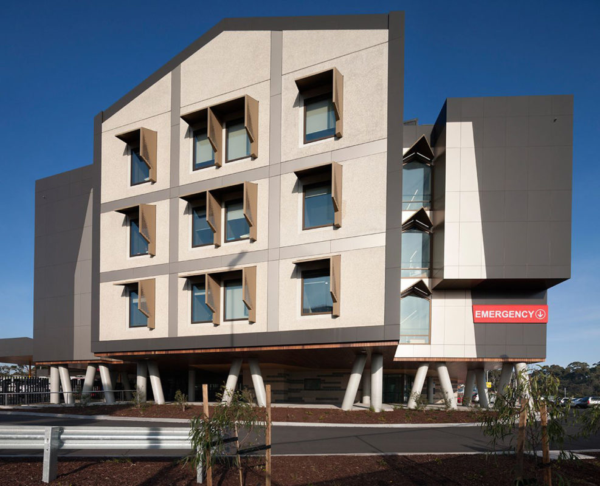
Various LUMIFLON FEVE resin grades can be used in coatings applied over porous substrates. These coatings are used on fiber cement facades around the world.
Download our e-book to learn how FEVE resins improve the durability, sustainability and service life of architectural coatings.
Frequently Asked Questions about Architectural Coatings
What are the benefits of FEVE architectural coatings?
FEVE architectural coatings provide exceptional weatherability, long-term gloss retention, UV resistance, corrosion protection, and color stability. They are widely used on roofs, curtain walls, metal panels, fiber cement, and other exterior building materials.
What is the difference between architectural coatings and industrial coatings?
Architectural coatings are designed primarily for buildings and construction materials, while industrial coatings protect equipment, infrastructure, pipelines, tanks, and manufacturing assets that operate in harsher industrial environments.
How long do architectural coatings last?
Service life depends on resin chemistry and environmental exposure. High-performance FEVE architectural coatings can retain color and gloss for decades while resisting chalking, fading, corrosion, and UV degradation.
What are low-VOC architectural coatings?
Low-VOC architectural coatings reduce emissions of volatile organic compounds during application. Powder coatings and solid FEVE resin technologies provide environmentally friendly alternatives that support sustainability goals.
What building materials can FEVE coatings protect?
FEVE architectural coatings can be formulated for aluminum extrusions, metal panels, plastics, composites, concrete, fiber cement, wood, and other exterior building materials.
Header photo: © Kohn Pedersen Fox