
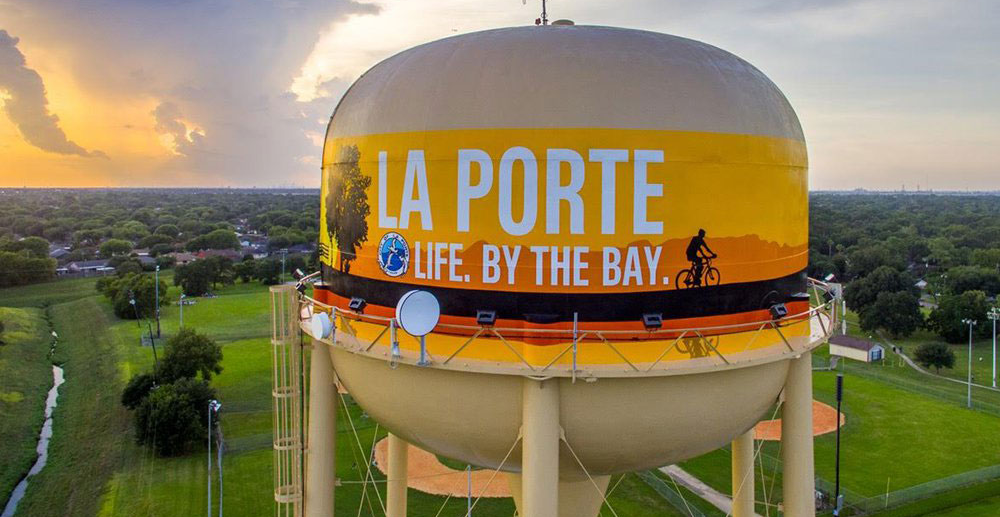
Water tank coating systems protect critical infrastructure from corrosion, ultraviolet (UV) exposure, moisture, salt and chemicals while helping communities preserve a clean, attractive appearance. The most effective systems combine proper surface preparation, a corrosion-resistant primer, an intermediate coat and a durable topcoat selected for the tank substrate and service environment.
For exterior water tank applications, fluoropolymer topcoats based on LUMIFLON® fluoroethylene vinyl ether (FEVE) resin provide long-term weatherability, color and gloss retention. Their extended service life can reduce repainting cycles, maintenance disruption and total life-cycle costs compared with conventional coating technologies.
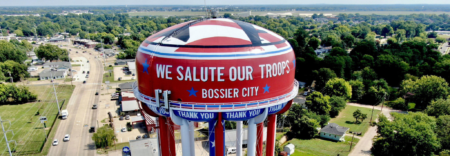
Photo credit: tnemec.com
What Are Water Tank Coating Systems?
A water tank coating system is a layered protective finish engineered to shield the tank substrate and maintain its appearance over time. On a typical steel tank exterior, the system may include a zinc-rich primer, an epoxy intermediate coat and a weather-resistant finish coat. Each layer performs a distinct function: the primer supports corrosion protection, the intermediate coat adds barrier protection and film build, and the topcoat resists weathering while providing the specified color and gloss.
Choosing a coating for water tanks requires more than selecting a paint color. Owners and specifiers should evaluate the substrate, exposure conditions, expected service life, application method, maintenance access, environmental requirements and long-term cost. Because interior surfaces that contact potable water have separate immersion-service and regulatory requirements, this blog focuses primarily on exterior water tank coating systems.
Photography ©Shannon Richardson
Why Water Tanks Need High-Performance Exterior Coatings
Water towers and storage tanks remain exposed to sun, wind, rain, temperature changes, airborne contaminants and, in some locations, salt or aggressive industrial environments. As a topcoat degrades, chalks, fades or loses thickness, water and corrosive agents can more readily reach the underlying layers and substrate.
Repainting a water tank is also a complex infrastructure project. It can require blasting, containment, staging, specialized labor and operational coordination. A longer-lasting topcoat can postpone these disruptive activities and spread project costs over a longer service period.
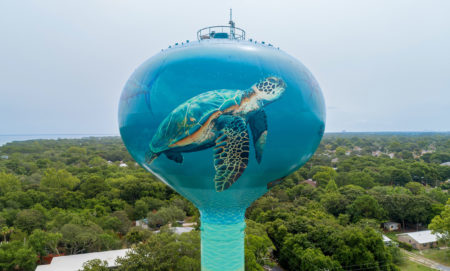
Photo credit: tnemec.com
How FEVE Resins Improve Water Tank Coating Performance
LUMIFLON resins use an alternating fluoroethylene vinyl ether structure. The carbon-fluorine bonds in the fluoroethylene segments contribute weatherability, chemical resistance and durability. The vinyl ether segments provide solubility, gloss, pigment compatibility, adhesion and crosslinking capability. This combination allows formulators to create fluoropolymer coatings that can be field- or shop-applied using conventional coating equipment.
In water tank coating systems, a FEVE-based topcoat offers several performance advantages:
- Long-term resistance to UV-driven fading, chalking and gloss loss.
- Durable barrier properties that help limit the movement of oxygen, moisture, and chloride through the coating system.
- Retention of flexibility and toughness after years of outdoor exposure.
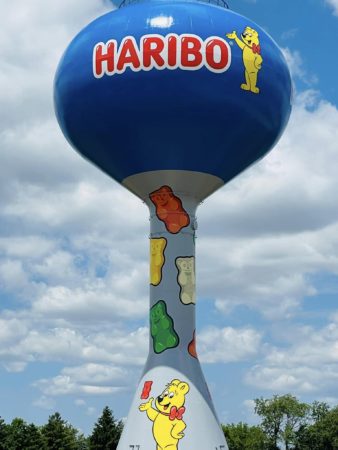
- A broad range of crisp colors and gloss levels for community branding, murals and landmark designs.
- Compatibility with ambient- or elevated-temperature curing for field and shop applications.
- Compatible with conventional field-application and maintenance practices when the existing coating is properly inspected, cleaned and prepared in accordance with the coating manufacturer’s instructions.
Learn more about LUMIFLON FEVE resins for water tank coatings and their role in durable exterior finishes.
Photography @ Eric Henn
Corrosion Protection Begins with the Complete System
The topcoat is only one part of corrosion control; proper surface preparation and compatible underlying coats remain essential. In a representative multilayer system, a LUMIFLON-based topcoat protects the epoxy intermediate coat and zinc-rich primer beneath it. By resisting weathering and retaining film integrity, the topcoat helps protect the intermediate coat and limits the movement of oxygen, moisture and chloride through the system. The primer remains the principal sacrificial corrosion-protection layer for the substrate.
A tested multilayer coating system incorporating a LUMIFLON FEVE topcoat passed ISO 12944 testing for C5, CX and Im4 conditions. Actual performance depends on the complete formulation, specification, surface preparation, film thickness, workmanship and exposure environment, so coating manufacturers and qualified professionals should determine the appropriate system for each project.
Long-Term Color and Gloss Preserve Community Identity
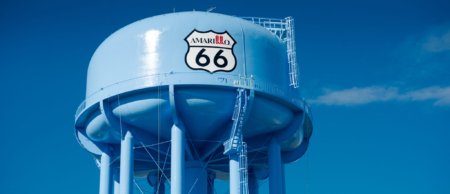
A water tower is often both working infrastructure and a highly visible landmark. Many communities use tanks to display local logos, historical themes, murals or intricate multicolor designs. Premature fading or chalking can make even a structurally sound tank look neglected.
FEVE-based topcoats are available in a wide color range and gloss levels from low to high. Their UV resistance helps maintain the intended appearance for decades. LUMIFLON has been used successfully in applications ranging from the rose-covered tower in Rosemont, Illinois, to an award-winning wildlife mural in Ann Arbor, Michigan, and the restored Ear of Corn tower in Rochester, Minnesota. These projects illustrate why long-term color and gloss retention matter when repainting is difficult and unpopular for tanks that serve as community symbols.
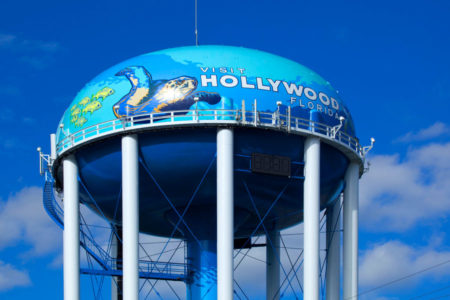
Photo credit: tnemec.com
How Long Do Water Tank Coatings Last?
The service life of water tank coating systems varies with coating chemistry, substrate condition, surface preparation, film thickness, workmanship, climate and maintenance. Depending on the application, LUMIFLON-based coatings can maintain color and gloss on water towers for approximately 20 to 60 years; FEVE topcoats may last 30 to 60-plus years in appropriate systems.
In comparative accelerated weathering tests, LUMIFLON-based coatings maintained their performance substantially longer than the acrylic-urethane and alkyd coatings evaluated. Accelerated testing is useful for comparing coating technologies, but it does not directly predict a project’s exact service life. The coating manufacturer’s specification and project-specific inspection plan should govern expected service life.
Life-Cycle Cost Matters More Than Initial Paint Price
A high-performance topcoat may cost more initially, but the topcoat is only one component of the applied project cost. Containment, blasting, staging, labor, downtime and environmental controls can make each repainting cycle expensive. Extending the interval between repainting projects can therefore create substantial long-term value.
A FEVE-based topcoat may have an initial applied cost about 5% to 10% higher than a standard polyurethane topcoat, yet its longer service life can avoid two or three repainting cycles over a 30- to 60-year period. Based on numerous projects, the estimated life-cycle cost of LUMIFLON coatings is approximately 40% to 80% of that of polyurethane coatings. When compared with chlorinated rubber, LUMIFLON-based systems demonstrate a higher initial cost but a lower annualized cost due to their longer coating life.
Longer Coating Life Can Support Sustainability Goals
Durability can reduce the environmental burden associated with repeated coating removal, material production, transportation, application equipment and volatile organic compound emissions. LUMIFLON is available in solution, solid, water-based and powder resin grades, giving formulators options for different application and environmental requirements. Some solid, powder and emulsion grades contain zero VOCs or can be formulated below 50 g/L VOC.
A FEVE-based powder coating system can reduce its carbon footprint by 23% to 46% compared with other fluoropolymer coatings. Because carbon impact varies by resin, formulation, application and project scope, sustainability decisions should be based on the complete specified system rather than resin chemistry alone.
What to Consider When Painting a Water Tank
Before specifying paint for a water tank exterior, project teams should answer the following questions:
- What is the substrate—steel, aluminum, fiberglass or concrete—and what is its current condition?
- Which corrosion category, weather conditions and chemical exposures apply?
- What surface-preparation standard and containment plan will be required?
- How many years of color, gloss and protective performance are expected?
- Will the coating be applied in the field or shop, and under what curing conditions?
- Are VOC limits, sustainability objectives or local air-quality rules part of the specification?
- What are the full life-cycle costs, including access, downtime, staging and future repainting?
- Does the selected manufacturer provide a complete compatible system and project-specific guidance?
The best choice is not simply the least expensive gallon of paint. It is the water tank coating system that meets the project’s technical, aesthetic, application and life-cycle cost requirements.
Build a Longer-Lasting Water Tank Coating System
For water tanks exposed to decades of sunlight, moisture and other environmental stressors, a durable topcoat can protect appearance, reduce maintenance and lower life-cycle costs. LUMIFLON FEVE resins provide coating formulators with the weatherability, color flexibility and application versatility needed for high-performance water tank exteriors.
Explore LUMIFLON solutions for water tank coating systems or contact AGC Chemicals Americas to discuss the right resin grade for your formulation.
Header photo credit: tnemec.com
Frequently Asked Questions About Water Tank Coating Systems
What is the best coating for a water tank exterior?
The best coating depends on the substrate, environment, surface preparation and service-life goals. For long-term exterior weatherability, FEVE fluoropolymer topcoats over compatible primers and intermediate coats can provide strong UV resistance, corrosion protection and color and gloss retention.
Is FEVE coating suitable for potable-water tank interiors?
This post addresses exterior applications. Any interior coating in contact with potable water must be specifically formulated, tested and approved for immersion and drinking-water service under the applicable regulations and project specification.
Can LUMIFLON-based coatings be applied in the field?
Yes. FEVE-based coatings can cure at ambient or elevated temperatures and may be field- or shop-applied, depending on the coating formulation. Standard brush, roller or spray equipment may be used when permitted by the coating manufacturer.
Do FEVE coatings require special surface preparation?
No unusual surface preparation is required solely because a topcoat contains FEVE resin. However, the substrate and complete coating system must receive the surface preparation specified by the coating manufacturer and project engineer.
Why are color and gloss retention important on water towers?
They preserve the tank’s intended appearance and community identity while reducing the need for cosmetic repainting. UV-resistant topcoats also help protect the layers beneath them from weathering.
How can a more expensive topcoat reduce total project cost?
The initial topcoat price is small compared with the combined cost of blasting, containment, staging, labor, downtime and repeated repainting. A longer-lasting topcoat can reduce the number of maintenance cycles over the tank’s service life.