Solvent, Water, and Solid: The Three Faces of LUMIFLON® Coating Technology

Architectural coatings are applied to commercial, office, retail, educational, stadiums and residential buildings for both decorative and protective purposes. These coatings enhance the aesthetic appeal of structures with a variety of colors, textures and finishes, while also providing weather resistance, corrosion prevention and long-term durability. These attributes help buildings withstand hars...

Lumiflon Guest Blog: Reducing the Carbon Footprint of Buildings

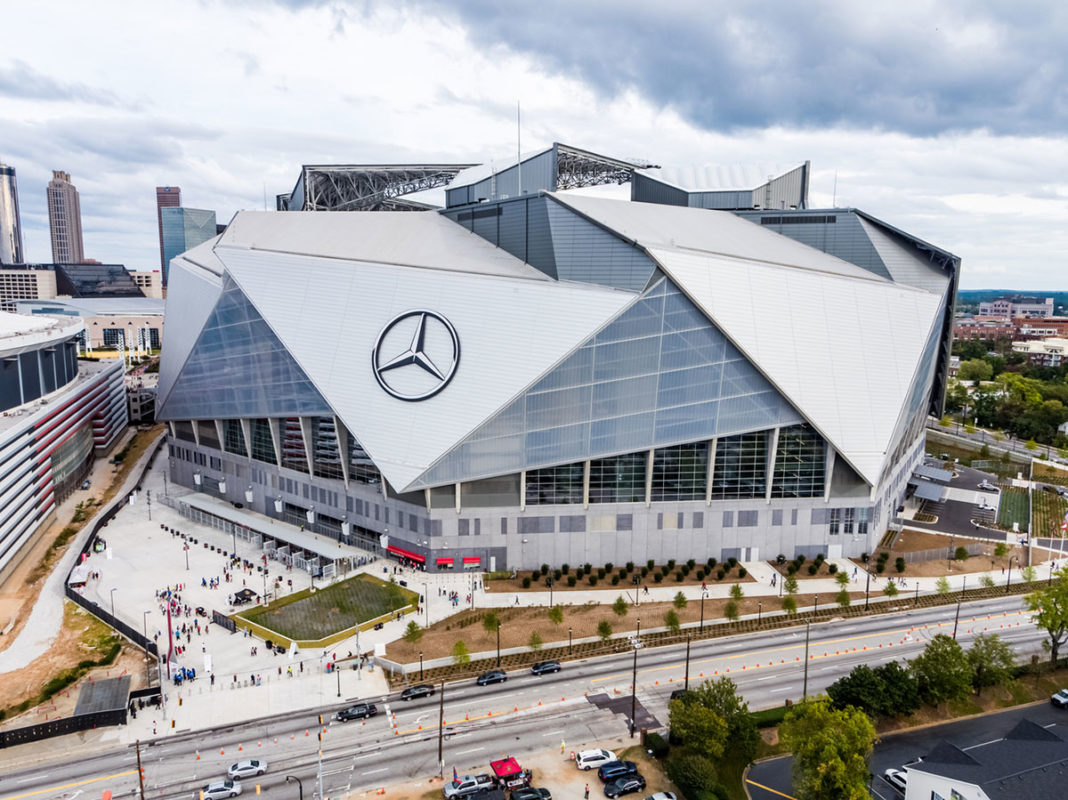
Mercedes Benz Stadium NFL Atlanta Georgia HOK Architects ALPOLIC ACM Lumiflon FEVE Resin
Climate change is the result of increasing greenhouse gasses and carbon emissions. Buildings generate nearly 40% of those emissions. The measurement of these greenhouse gasses and carbon emissions determine a building’s carbon footprint. As architects and engineers, we have the ability to affect climate change by how we design and construct buildings. The best way to determine how well we are pr...

Fluoroethylene Vinyl Ether (FEVE) Versus Polyvinylidene Fluoride (PVDF): A Exploration Of The Benefits Of FEVE Resin Technology

Buyaka Shopping Mall, Istanbul, Turkey, Dilekci Architects, Photography Faruk Kurtulus
There are a whole host of benefits to the utilization of an FEVE resin over a PVDF. These benefits include aesthetic-based benefits, application-based benefits, and sustainability benefits. FEVE (fluoroethylene vinyl ether) was developed to address the shortcomings with traditional fluoropolymer resins like PVDF, they are manufactured by copolymerization of a fluoroethylene monomer with a vinyl ether monomer.